Wondering whether your Las Vegas home will sell in a weekend or sit for months? The honest answer is that selling time has two parts: how long it takes to get an offer you accept, and how long it takes to actually close. If you are trying to plan a move, buy your next home, or coordinate a relocation, knowing that difference can save you stress. Here’s what the timeline really looks like in Las Vegas and what can speed it up or slow it down.
Las Vegas home sale timeline
In Clark County, homes were going pending in about 30 days as of May 31, 2026. That gives you a useful snapshot of how long it may take to get from listing day to an accepted offer.
But pending is not the same as sold. After you accept an offer, the transaction usually still needs another 30 to 45 days for inspections, appraisal, title work, loan approval, and closing. For many sellers, a practical planning estimate is about two to two-and-a-half months from list date to closing.
That said, this is a range, not a promise. Your final timeline depends on pricing, condition, buyer financing, appraisal results, and whether your property has HOA documents that need to be ordered and reviewed.
Why pending is not closing
Many sellers hear that homes are selling in about a month and assume the whole process will be done by then. In reality, that first month often reflects the time it takes to attract showings, review offers, and reach an agreement.
Once you are under contract, the buyer still has steps to complete before ownership changes hands. That is why the most accurate way to think about your timeline is in phases instead of one single number.
Phase 1: Prep before listing
Your timeline often starts before your home ever hits the market. If your home is already in strong condition and easy to show, prep may be fairly quick.
If it needs repairs, decluttering, cleaning, or updated marketing materials, expect this stage to take longer. Sellers who plan ahead usually create a smoother launch, and that can help the home gain stronger attention in the first few weeks.
Industry guidance on seller prep consistently points to a few basics:
- Decluttering
- Whole-home cleaning
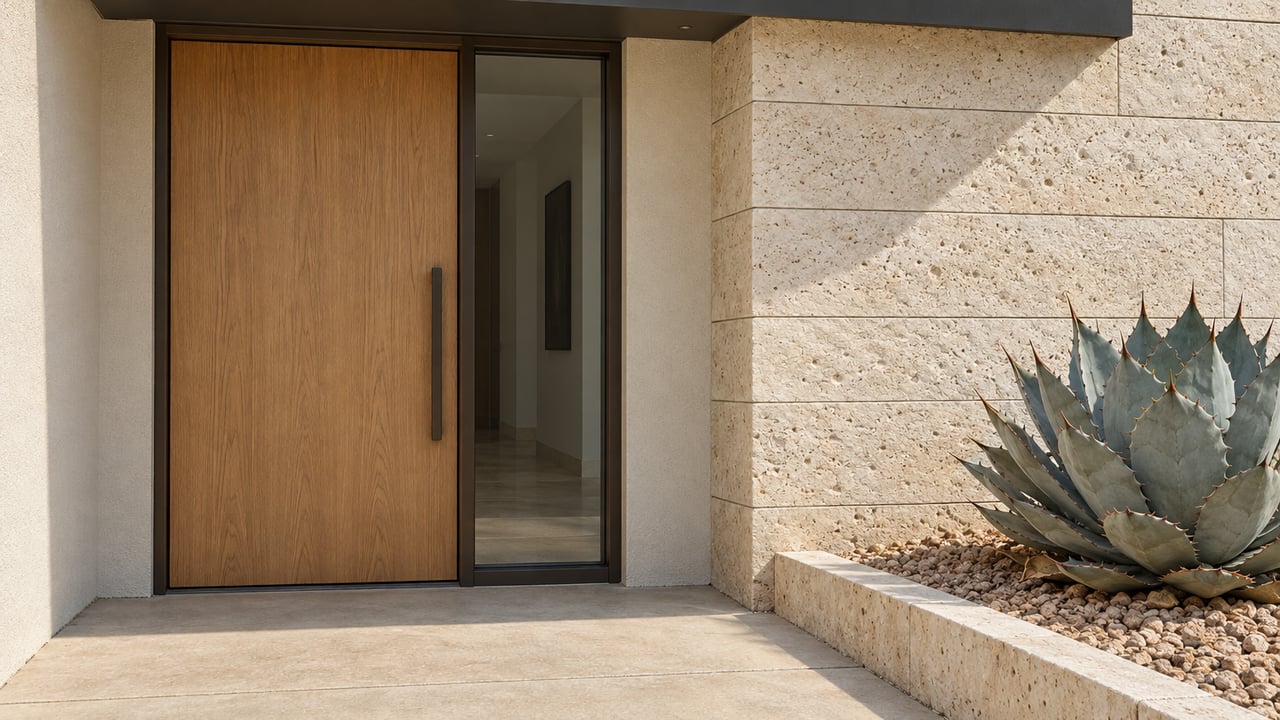
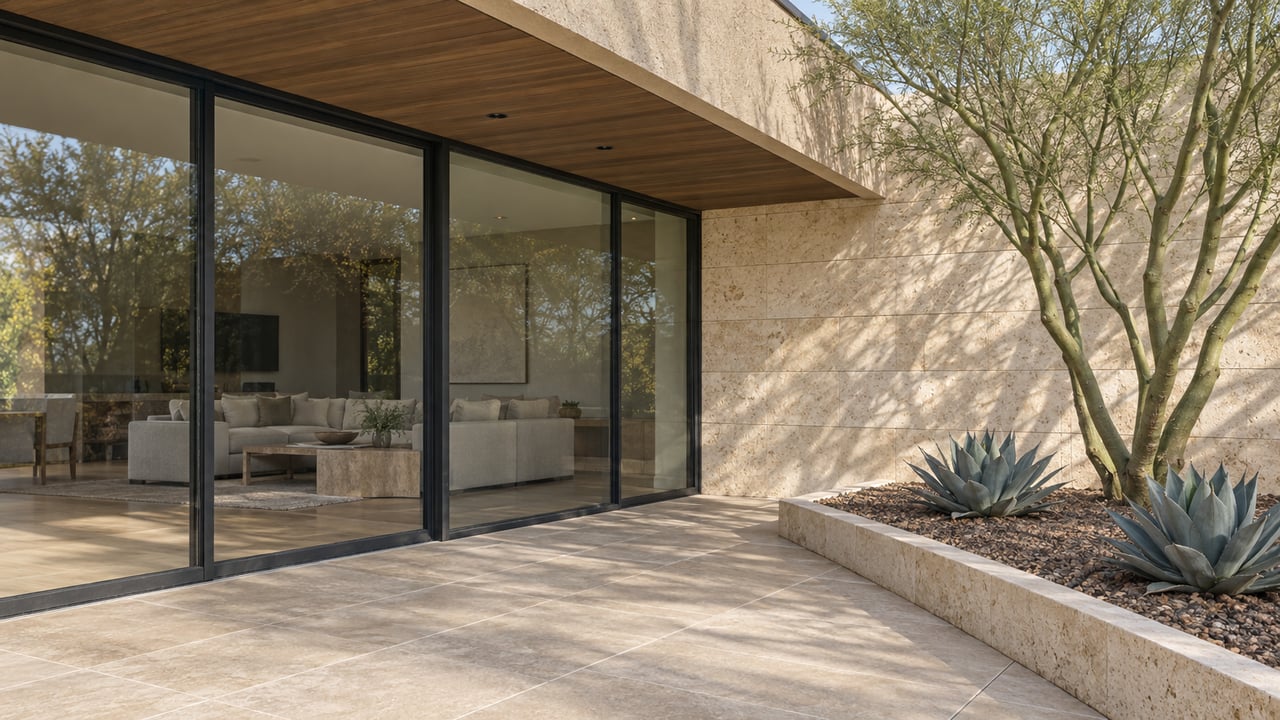
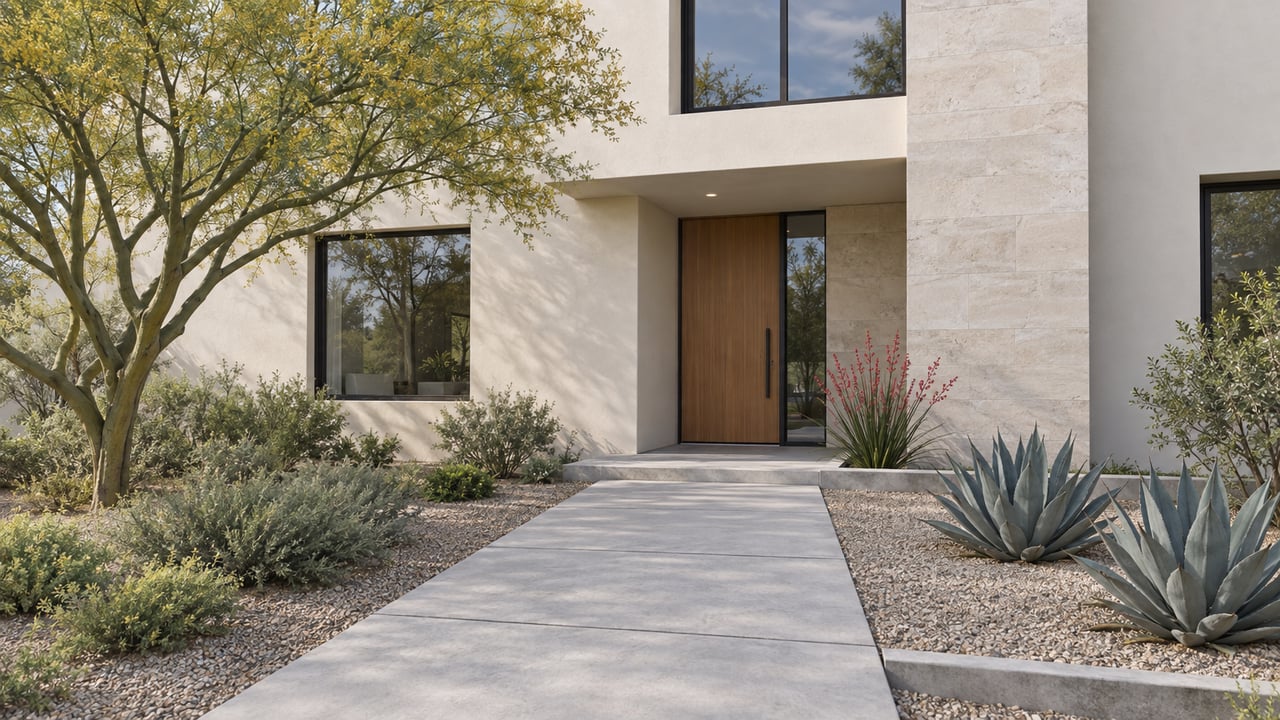
- Curb appeal work
- Minor repairs and maintenance
- Professional photos
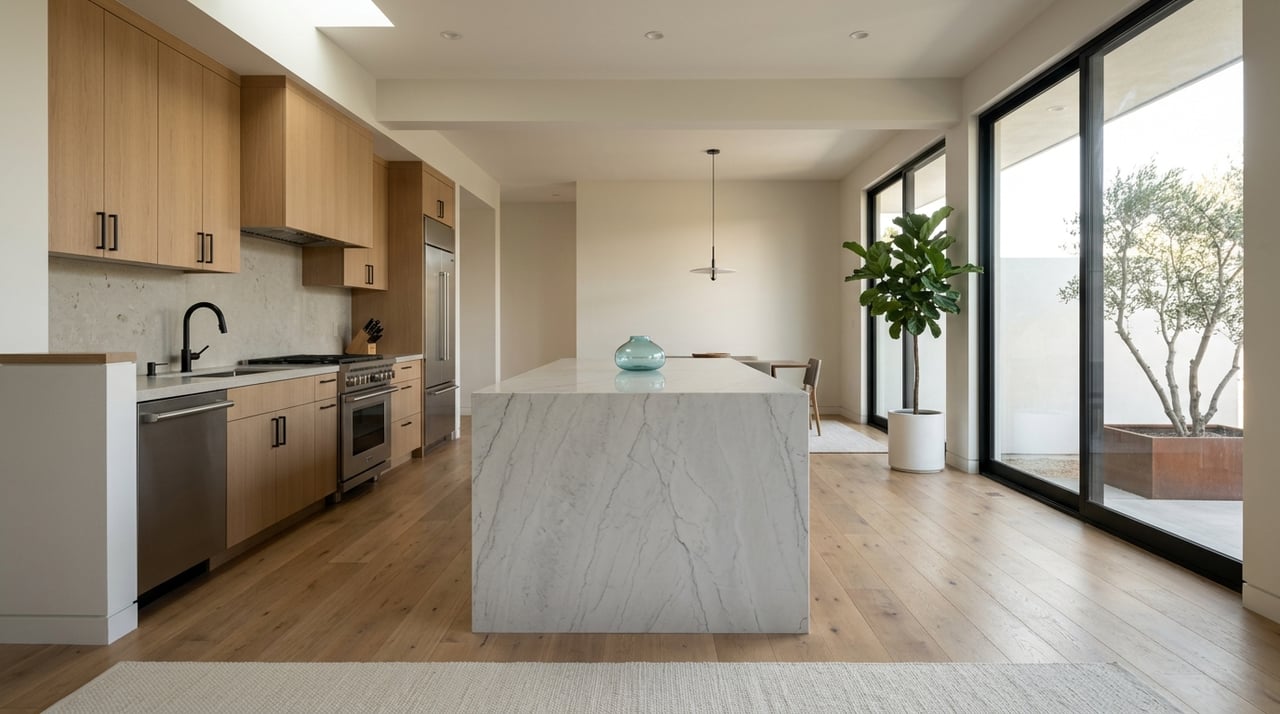
- Staging or simplified presentation
- A marketing plan that may include MLS exposure, open houses, and virtual tours
This work matters. In a 2025 staging profile, many agents reported that staging helped reduce time on market, with some seeing slight decreases and others seeing large decreases.
Phase 2: Active market time
Once your home is live, the clock shifts to buyer activity. In today’s Clark County market, a well-priced resale home can still move to pending in roughly a month.
Early momentum matters. The first few weeks typically bring the most visibility and some of the most serious buyers, so pricing and presentation are especially important right from the start.
Phase 3: Contract to closing
After you accept an offer, the deal enters the contract phase. This is where many sellers underestimate the time involved.
A typical closing period is about 30 to 45 days after acceptance. During that window, the buyer usually completes inspections, the lender orders the appraisal if financing is involved, title work is reviewed, and both sides work through any remaining contingencies.
What happens after you accept an offer
The contract period has several moving parts, and each one can affect your closing date. Even in a smooth transaction, there are deadlines that must be met.
One common early milestone is the home inspection. Buyers typically have about 5 to 10 days after acceptance to complete the inspection, and any inspection-related renegotiation often happens within 24 to 48 hours after that.
If the buyer is getting a mortgage, lender timing also matters. Borrowers must receive the Closing Disclosure at least three business days before closing, which means final loan approval and documentation need to be wrapped up in time.
Las Vegas factors that can add time
Some delays are common anywhere, but a few Nevada-specific items can stretch the timeline if they are handled late.
Nevada seller disclosures
Nevada law requires the seller to complete and serve the residential disclosure form at least 10 days before the property is conveyed. If you discover a new defect, or an existing issue gets worse before closing, that update must also be disclosed in writing as soon as practical and no later than conveyance.
If disclosures are delayed or incomplete, the transaction can become more complicated. Getting these forms handled early can help keep the process on track.
HOA resale packages
If your home is in a common-interest community, HOA paperwork can become a major timing factor. Under Nevada law, the association must provide resale package documents within 10 calendar days after a written request.
After the buyer receives those documents, the purchaser generally has until midnight of the fifth calendar day to cancel. That means late HOA ordering can push the schedule back or create last-minute uncertainty.
What the current Las Vegas market suggests
In April 2026, local reporting on LVR data showed that 75.3% of existing local homes sold within 60 days and supply was about 3.5 months. That tells you the market is still moving, but not every home is selling instantly.
It also reinforces an important point: simply putting a home on the market is not enough. The median sale-to-list ratio in Clark County was 0.989, which suggests many homes are selling close to list price, but pricing still needs to match the market.
What helps a home sell faster
You cannot control every part of the process, but you can influence several of the biggest timing factors. Sellers who prepare carefully often give themselves the best chance at a shorter and smoother timeline.
Focus on the basics that improve buyer response:
- Price the home realistically from day one
- Complete minor repairs before listing
- Declutter and deep clean
- Improve curb appeal
- Use strong listing photos
- Make showing access as simple as possible
- Order HOA documents early if they apply
- Complete disclosures on time
A clean launch matters because the first stretch on market usually gets the most attention. If a home sits without activity, price reductions or incentives may become necessary.
How to plan your move realistically
If you are building a moving timeline, it helps to think in ranges. A move-in-ready home with strong pricing and no major surprises may move faster than average.
A home that needs repairs, has slower buyer traffic, or runs into financing or HOA document issues may take longer. That is why many Las Vegas sellers are best served by planning for roughly 60 to 75 days from list date to closing, while also leaving some flexibility around the edges.
If you are selling and buying at the same time, this planning becomes even more important. Clear expectations around prep, launch timing, and contract milestones can help you make better decisions about your next step.
The bottom line for Las Vegas sellers
So, how long does it really take to sell a home in Las Vegas? For many Clark County resales, the most realistic answer is about one month to get to pending and another 30 to 45 days to close, putting many sales in the two- to two-and-a-half-month range from list date to closing.
The exact timing depends on your home, your pricing strategy, buyer demand, and how smoothly the contract process unfolds. If you want a sale that feels less stressful, the best place to start is with a clear plan before your home goes live.
If you are thinking about selling in Las Vegas and want a timeline built around your property, your goals, and your next move, connect with Kristi Badolato for thoughtful, local guidance.
FAQs
How long does it take to get an offer on a home in Las Vegas?
- In Clark County, homes were going pending in about 30 days as of late May 2026, although timing can vary based on price, condition, and buyer demand.
How long does closing take after accepting an offer in Las Vegas?
- A typical closing period is about 30 to 45 days after an offer is accepted, depending on inspections, appraisal, title work, financing, and final paperwork.
How long does it really take to sell a house in Clark County from list date to closing?
- A practical planning estimate for many resales is about two to two-and-a-half months from listing to closing.
Can HOA documents delay a home sale in Nevada?
- Yes. For homes in common-interest communities, HOA resale documents can affect timing, especially if they are requested late or delivered incomplete.
Do Nevada seller disclosures affect the closing timeline?
- Yes. Nevada requires the residential disclosure form to be served at least 10 days before the property is conveyed, so delays can create complications.
What helps a Las Vegas home sell faster?
- Realistic pricing, strong presentation, decluttering, cleaning, minor repairs, professional photos, and early document preparation can all help improve timing.