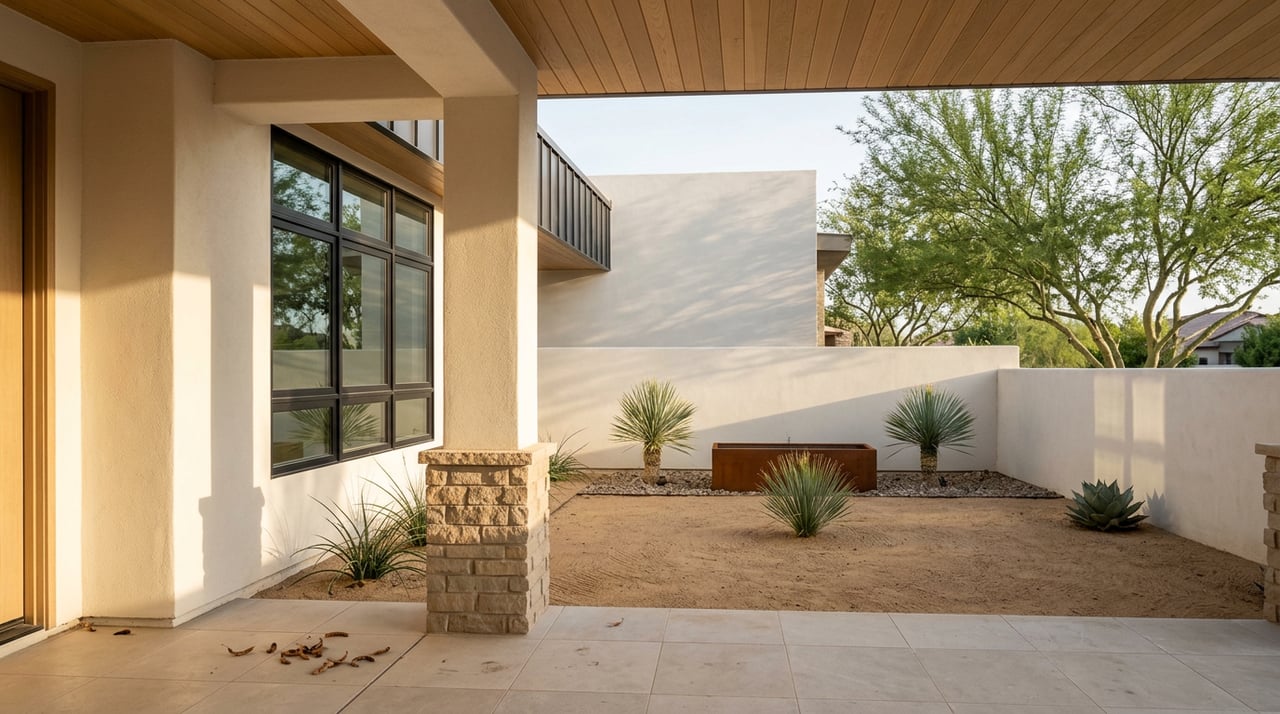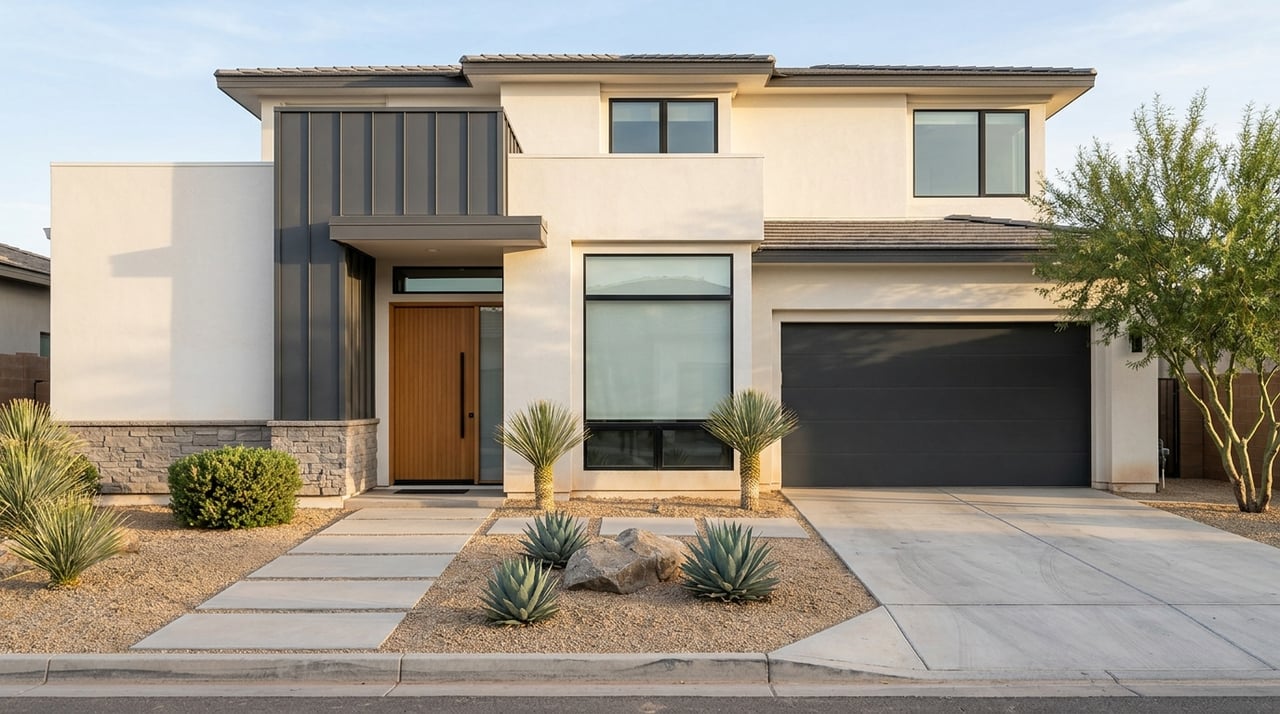
Buying a home in Las Vegas without being here in person can feel like a leap. You want to move quickly, avoid surprises, and still feel confident about the street, the home, and the paperwork. The good news is that a virtual purchase is absolutely possible when you pair digital convenience with smart local verification. Let’s dive in.
Start with financing first
Before you tour homes or write offers, get preapproved. The CFPB recommends comparing at least three lender preapprovals, and it also notes that you can shop for a loan and a home at the same time.
This step does two important things for you. It helps you understand your likely budget, and it gives you a stronger starting point when the right Las Vegas home comes on the market.
Compare at least three lenders
A remote move already has enough moving parts. Comparing multiple lenders early can help you evaluate rates, fees, and loan options before you feel rushed.
You also do not need to commit to one lender right away. Preapproval helps you compare your options without locking you in too early.
Match your budget to your search
Preapproval is not just a finance step. It is also a search tool.
If you are considering a condo in Henderson, a townhome in Summerlin, or a single-family home in the northwest valley, your monthly costs may look different once HOA dues, insurance, and property-related expenses are added in. Getting clear on your numbers early can keep your search realistic and focused.
Build a virtual buying plan
A strong virtual purchase is more than online listings and e-signatures. The safest version of the process combines remote convenience with local eyes on the property and neighborhood.
That is where a local Las Vegas agent becomes especially valuable. You need someone who can verify what does not always show up on a screen, from street noise to HOA details to the overall feel of the area.
What you can usually do remotely
Many parts of a Las Vegas home purchase can be handled from anywhere, including:
- lender preapproval
- home search and listing review
- video tours and follow-up questions
- offer preparation and electronic signatures
- disclosure review
- title and escrow coordination
- remote closing steps, when available
In other words, you can handle a large part of the transaction virtually. The key is knowing which parts still need careful on-the-ground confirmation.
Where local verification matters most
Some details are too important to leave to photos alone. A local professional can help confirm things like:
- the condition of the street and nearby homes
- traffic flow and noise at different times of day
- property access and orientation
- HOA documents and resale requirements
- whether a home’s setting matches your lifestyle needs
For relocation buyers and second-home buyers, this kind of local context can make decision-making much easier.
Use protective contingencies in your offer
When you are buying from out of state, your offer should give you room to verify the big pieces. The CFPB recommends making offers contingent on financing and a satisfactory inspection.
These contingencies matter because they help protect you if your loan does not come together as planned or if the inspection reveals serious issues.
Financing contingency
A financing contingency can help if your loan approval changes before closing. That can be especially important when you are coordinating a move, job transition, or purchase from another state.
It gives you an added layer of protection while your lender completes the final review.
Inspection contingency
An inspection contingency gives you time to learn more about the home’s condition. If major issues come up, you may have options to negotiate or step back, depending on the contract terms.
That is a critical safeguard when you cannot walk through the property in person before making an offer.
Review Nevada disclosures carefully
Nevada requires sellers of residential property to disclose known conditions that materially affect the home’s value or use. The seller's disclosure form cannot be waived, and it generally must be served at least 10 days before conveyance.
For a virtual buyer, that disclosure package is not just paperwork. It is one of your best tools for understanding the property before closing.
Read every page with purpose
As you review disclosures, pay attention to anything that could affect how you use the home or what it may cost you after closing. If something is unclear, ask follow-up questions right away.
Remote buyers often benefit from having those questions organized in writing so nothing gets missed.
Make inspections and appraisals count
If possible, attend the home inspection. The CFPB says being present can make it easier to understand the report and ask questions.
If you cannot be there in person, the next best option is to treat the inspection as an interactive process, not just a PDF in your inbox.
Ask for a live video component
A live video walkthrough during the inspection can help you see issues in real time and ask the inspector direct questions. That can give you more context than reading a report after the fact.
Even a detailed debrief can help you better understand what is routine maintenance versus a more serious concern.
Review the appraisal closely
If your lender requires an appraisal, the lender may order one and you are entitled to a copy of the appraisal and any other opinions of value the lender obtains. This is an important document to review when buying from a distance.
It can help you understand how the property was evaluated and whether there are notes that deserve a closer look.
Understand remote closing in Clark County
One reason virtual buying works in Las Vegas is that much of the closing process can be coordinated remotely. Title and escrow companies often handle signatures, funds, and closing statements through routine email and phone communication.
Nevada buyers can also shop for title and escrow rates. You do not have to use the provider recommended to you.
Know what must be notarized
Clark County Recorder says certain real estate documents, including deeds, mortgages, trust deeds, leases, liens, homesteads, and powers of attorney used to convey real estate, must be notarized before recording.
That matters in a remote closing because the signing process has to be set up correctly from the start.
Remote notarization may be possible
Nevada law allows electronic notarization using audio-video communication in certain cases. The notary must verify identity and keep an electronic record of the act.
In practical terms, that means your closing can often happen from afar, but only if the title company and notary are equipped for Nevada-compliant electronic notarization.
Recording details still matter
Clark County requires the document itself and the correct payment for successful recording. The county also notes that details like the APN, legal description, return address, and formatting must be correct or the document can be rejected.
That is one more reason an organized escrow and title process matters so much in a virtual transaction.
Protect yourself from wire fraud
Virtual closings are convenient, but they also require extra caution with money transfers. The CFPB warns that mortgage closing scams may involve someone impersonating a real estate or settlement agent, and the FTC notes that wired money can be very hard to recover once sent.
If wire instructions change unexpectedly, treat that as a red flag.
Verify before sending funds
Never rely on email alone for wiring details. If anything looks different or urgent, call a trusted contact directly using a known phone number and verify the instructions before sending money.
This is one of the simplest steps you can take to protect yourself during a remote purchase.
Research Las Vegas neighborhoods with official sources
When you are buying from afar, neighborhood research needs to go beyond listing photos and marketing language. Official local sources can help you verify facts and compare areas more clearly.
This is especially useful if you are deciding between different parts of the valley, such as Summerlin, Henderson, North Las Vegas, or the northwest and southwest areas.
Check school zoning directly
Clark County School District offers zoning search tools and attendance boundary maps that show which school a property is zoned for. It also has a school search tool to compare options.
If school assignment matters to your move, it is better to confirm it directly than rely on listing remarks.
Review property records and parcel information
Clark County’s Assessor property search is a helpful starting point for parcel-level assessment information. The county notes that assessor parcel maps are compiled from official records and contain the information required for assessment.
For more detailed legal information, recorded documents may need to be reviewed as part of your due diligence.
Look at flood maps
FEMA’s Flood Map Service Center is the official source for flood-hazard information used for National Flood Insurance Program purposes. In a valley that can experience monsoon-driven flash flooding, flood-zone review is a smart step.
This can affect both your risk review and possible insurance requirements.
Use official crime data
Las Vegas Metropolitan Police Department provides weekly crime reports and a crime-mapping tool for recent neighborhood activity. LVMPD notes that its crime and arrest data are preliminary and based on the date the incident occurred.
For remote buyers, official local data can be more useful than generic third-party scores.
Map your commute and transit access
The Regional Transportation Commission provides system maps and interactive transit tools for Las Vegas, downtown Las Vegas, Boulder City, and Henderson. If commute time, transit access, or a lock-and-leave lifestyle matters to you, this is worth checking.
It can help you compare practical day-to-day movement across the valley.
Pay close attention to HOA and condo documents
If you are buying a condo or townhome, or a home in a planned community, HOA review should be part of your decision process from the beginning. Community rules, fees, reserves, and assessments can shape both your lifestyle and your monthly costs.
This is especially important for second-home buyers and buyers who want lower-maintenance living.
What to review
For condos and many townhome communities, key documents can include:
- CC&Rs
- bylaws
- rules and regulations
- reserve information
- special assessment information
- rental and occupancy policies
- parking, pet, and exterior-change rules
These materials can tell you a lot about how the community is governed and what ownership will really feel like.
Why this matters in Las Vegas
Las Vegas Valley includes many distinct master-planned and HOA-governed communities. For example, Summerlin is positioned in the west valley near Red Rock National Conservation Area, while Skye Canyon is a northwest Las Vegas master-planned community.
In Henderson, the city’s January 1, 2025 master-planned-community list includes Anthem, Cadence, Inspirada, Lake Las Vegas, Seven Hills, Tuscany, and MacDonald Highlands, among others. For a remote buyer, that means lifestyle fit involves more than floor plan and price.
Compare communities with your lifestyle in mind
When you are buying virtually, it helps to compare communities using the same checklist every time. That creates a more objective way to narrow your options.
Focus on the details that affect daily life and long-term comfort.
Questions to ask as you compare
- What school zone is the address in?
- Is the property in or near a flood-sensitive area?
- What does the HOA allow or restrict?
- What does traffic feel like during rush hour?
- What do official crime maps show nearby?
- How close are the places you expect to visit often?
For many buyers, these answers matter just as much as countertop finishes or staged furniture.
A virtual purchase works best with strong local guidance
Buying a Las Vegas home virtually is not about cutting corners. It is about using the right tools, asking the right questions, and having a local advocate verify what you cannot see in person.
With thoughtful planning, a remote purchase can cover financing, touring, disclosures, inspections, title work, and closing. If you want clear communication, organized guidance, and local insight as you buy from afar, Kristi Badolato is here to help.
FAQs
How do you buy a Las Vegas home virtually?
- You can usually handle preapproval, home search, video tours, offers, disclosures, title work, and many closing steps remotely, while using local verification for property and neighborhood details.
What contingencies should you use when buying a Las Vegas home remotely?
- The CFPB recommends making your offer contingent on financing and a satisfactory inspection so you have protection if the loan falls through or the inspection reveals serious issues.
Can you close on a Clark County home without being there in person?
- In many cases, yes. Remote closing may be possible when the title company and notary can support Nevada-compliant electronic notarization and the documents meet Clark County recording requirements.
What should you review before buying a Las Vegas condo or townhome virtually?
- You should review HOA documents such as CC&Rs, bylaws, rules, reserve information, special assessments, and policies on rentals, parking, pets, and exterior changes.
How can you research Las Vegas neighborhoods from out of state?
- Use official sources like CCSD for school zoning, Clark County Assessor records for property details, FEMA flood maps, LVMPD crime data, and RTC transit maps to verify key facts from a distance.