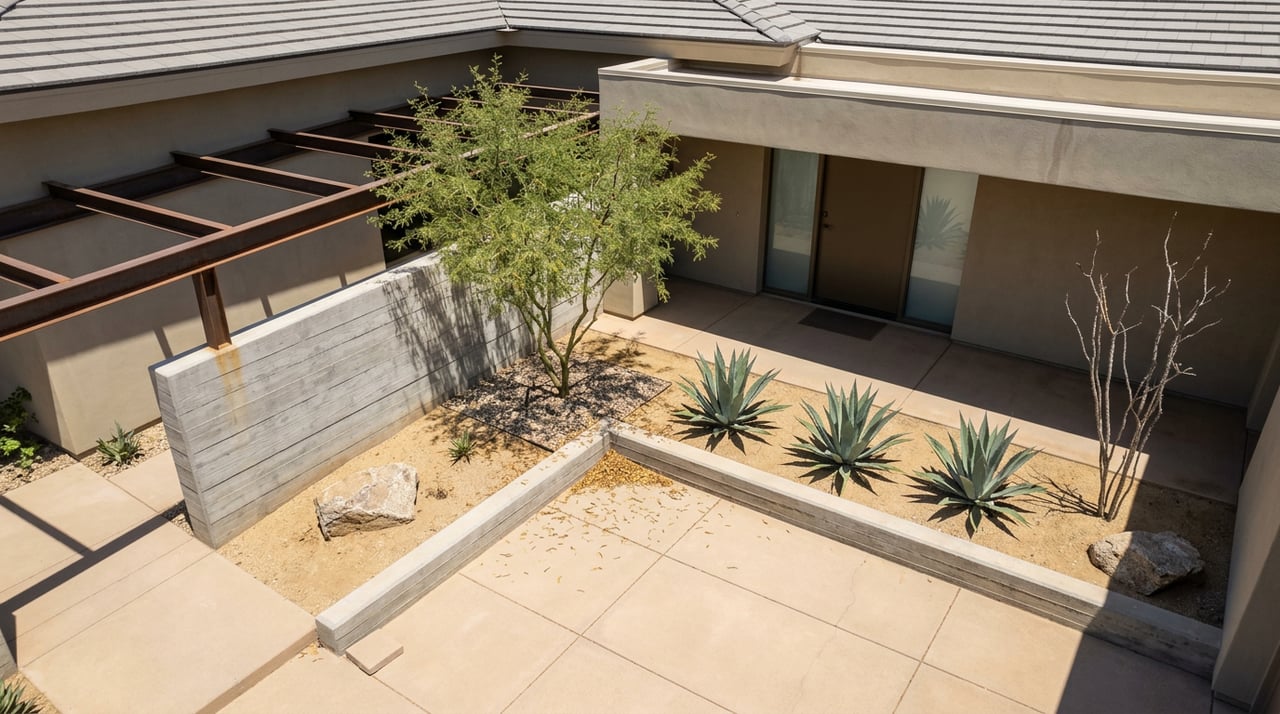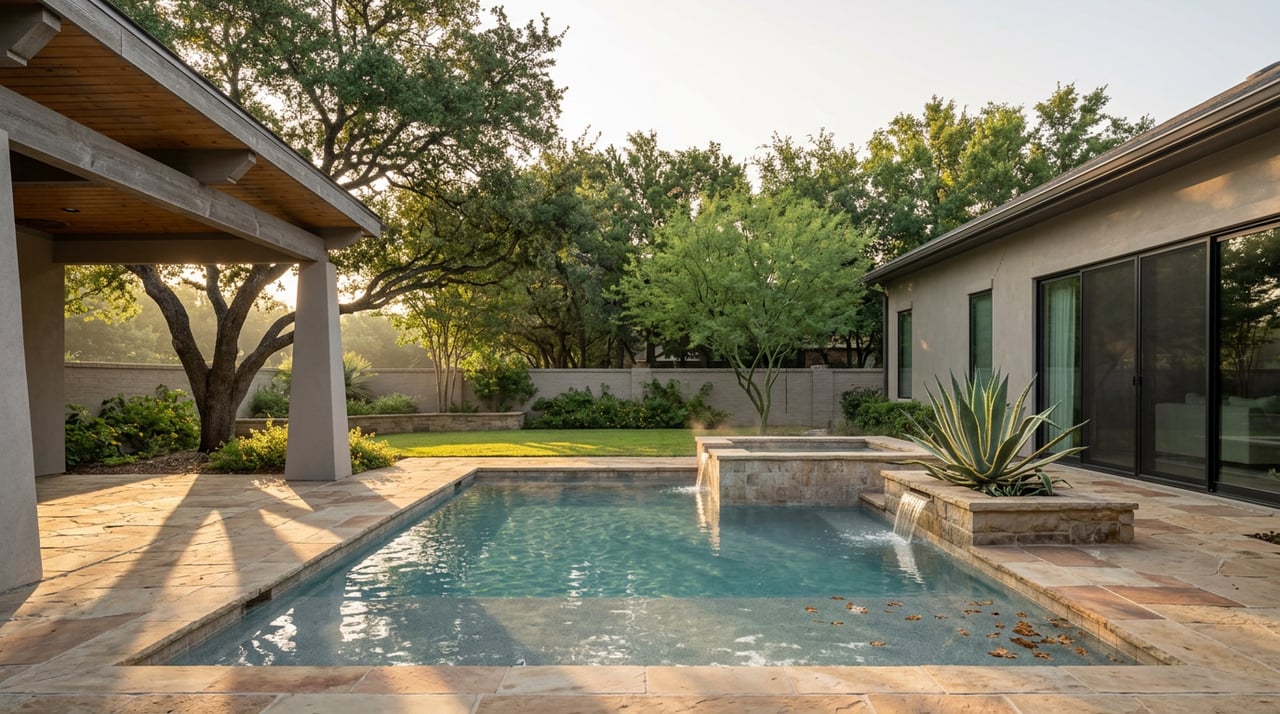
Two sellers list within the same month, both inside Green Valley, both a few minutes from the District at Green Valley Ranch. One closes in five weeks without a single line item added to the repair request. The other gets a phone call from the buyer's inspector on day nine, and the conversation is about gray plastic pipe behind the water heater.
The difference isn't the street, the school zone, or the price point. It's the year stamped on the original building permit. Green Valley was Henderson's first master-planned community, broken ground in 1978 by American Nevada Corporation, and its earliest tracts land squarely inside the window when builders across the Sun Belt were installing polybutylene supply lines by the mile. Green Valley Ranch, which opened across the freeway once the original Green Valley North and South sections sold out, didn't break ground until 1999. Same name on the map. Different plumbing decade entirely.
The Boundary Nobody Puts on a Sign
Polybutylene was the flexible gray, blue, or black pipe (often stamped PB2110) that dominated residential plumbing from the late 1970s through the mid-1990s because it was cheap and fast to install. It reacted badly with the chlorine in municipal water supplies, going brittle from the inside out in a way that isn't visible from outside the pipe. A 1995 class action settlement paid out roughly a billion dollars to homeowners nationally before production stopped that year.
That timeline matters here because Green Valley isn't one housing vintage, it's several, all sharing one name:
- The original 1978 through mid-1990s tracts, where plumbing crews still routinely find polybutylene behind cabinets and water heaters
- The later Green Valley South infill, built as the community matured through the 1990s, where risk drops but doesn't disappear
- Green Valley Ranch, opened in 1999 on the hill across the 215, where the plumbing decade is different enough that this conversation mostly doesn't apply
A home from 1989 and a home from 1998 can sit two streets apart under the same community banner and carry entirely different plumbing systems. If you don't know your build year, you don't actually know which conversation you're walking into.
What the Repipe Actually Costs
If an inspection or a plumber confirms polybutylene, the fix is a whole-house repipe, typically running $4,000 to $15,000 depending on the home's size and layout, and taking two to four days with water shut off during the work. That's a real number a seller can plan around, which is different from an unknown that surfaces mid-escrow and forces a renegotiation on someone else's timeline.
There's a second layer worth knowing before you list. Some insurance carriers now treat polybutylene as a known-risk material during underwriting, which can mean higher premiums or a request for repiping before a policy binds. A buyer's lender or insurer finding this at the eleventh hour is a worse conversation than a seller finding it in July.
The Line Nevada Law Draws the Moment You Know
Nevada doesn't ask you to hire a plumber before you list. Under NRS 113.140, you have no duty to disclose a defect you're genuinely unaware of. But the moment you do know, whether from a prior repair, a home warranty claim, or your own inspection, the law under NRS 113.130 requires you to put it in writing on the Seller's Real Property Disclosure form and get it to the buyer at least ten days before closing.
The form itself walks through plumbing and sewer systems line by line, and it's built so the seller answers it directly rather than the agent answering on their behalf.
That distinction between "unknown" and "known" is where sellers get into trouble. Concealing a defect you were aware of exposes you to treble damages under NRS 113.150, meaning a $10,000 repair a buyer discovers later can turn into a judgment north of $30,000 once legal fees are added. The statute doesn't care that the home is in a desirable zip code or that the buyer waived contingencies. It cares what you knew and when you said it.
That's the practical rule worth carrying into a listing appointment: once you know, the form has to say so. Waiting for the inspector to find it first doesn't remove the disclosure duty, it just moves the conversation to a worse moment in the transaction.
Two Other Systems Aging on the Same Clock
Plumbing isn't the only place Green Valley's age shows up, and both of the next two items track the same build-year logic rather than the neighborhood name.
Underground sewer lines in the original Green Valley tracts have had three to four decades for tree roots to work into the joints, and sewer scope inspections are worth budgeting for in these older sections specifically, the same way you'd budget for one in any Henderson neighborhood built before mature landscaping had time to do its damage.
Pools follow the same pattern. Green Valley's original construction wave means a meaningful share of backyard pools are now thirty to forty years old, and buried pool plumbing under decks and slabs fails in ways that don't show up until someone runs a pressure test. If your home has a pool from the original build, a pre-listing pool inspection covering shell, plumbing, and equipment answers a question a buyer's inspector will ask anyway.
Before You List
If you own an original-phase Green Valley home, the sequence that protects your timeline looks like this. Pull your permit or build year from your closing documents or the county record. If it lands between 1978 and the mid-1990s, have a plumber do a quick visual check at the water heater and under a few sinks, which typically takes about ten minutes and either clears the question or confirms it. If polybutylene is present, decide now, not during escrow, whether you'll repipe before listing or disclose and price accordingly. Either path is defensible. Finding out from a buyer's inspector on day nine of a ten-day disclosure window is the one path that isn't.
None of this makes an original Green Valley home a harder sell. It makes it a home with a known variable that a prepared seller answers on their own terms.
Does every home in original Green Valley have polybutylene plumbing? No. Plenty of homes from that era have already been repiped by a prior owner. The build year tells you whether it's a candidate, not a certainty. A quick plumber check settles the question either way.
Do I have to repipe before I sell? Nevada law doesn't require it. It requires disclosure of what you know. Some sellers repipe proactively to avoid a renegotiation mid-escrow, others disclose and let the buyer factor it into their offer. Both are common approaches.
Does this apply to Green Valley Ranch too? Less so. Green Valley Ranch broke ground in 1999, well past the window when polybutylene was standard, so this specific conversation applies mainly to homes from the original Green Valley build-out.
If you're weighing whether to repipe, disclose, or price around a plumbing question in an original Green Valley home, that's exactly the kind of pre-listing conversation worth having before the sign goes in the yard. Kristi Badolato has walked Henderson sellers through this build-year question enough times to help you decide which path fits your timeline. Let's Connect.